
REGENERATIVE WELLNESS CENTER
Longevity
By Tamara S. Wolfe | Photography by John Taylor
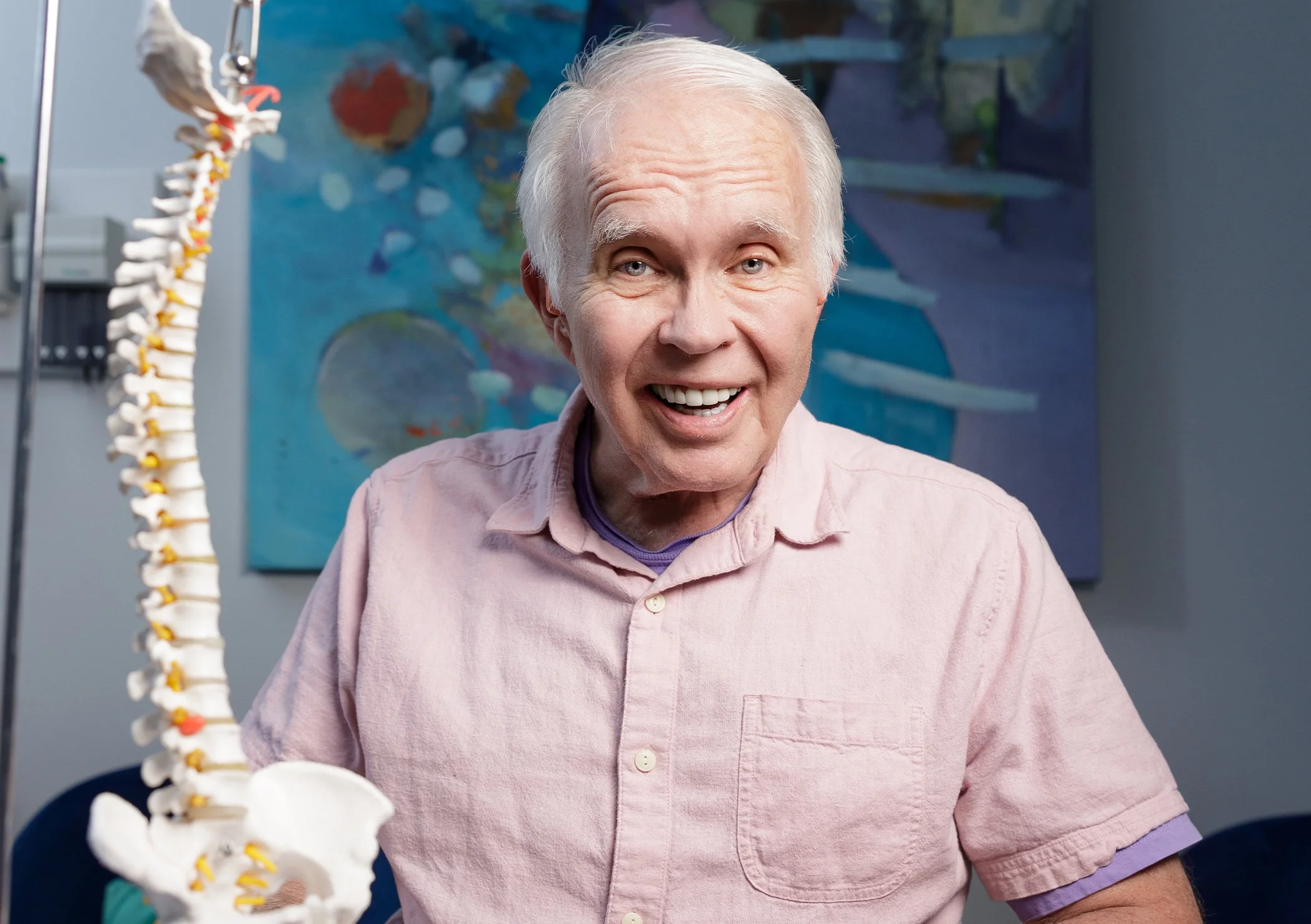
“THE GOAL IS NOT MORE YEARS. The goal is more life in the years you still have.”
Dr. Steven Warren does not talk about longevity the way most people expect.
He is not pursuing immortality. He is not selling the promise of staying young forever. And he is not interested in every shiny trend that claims to turn back time.
His view is practical and direct, grounded in decades of taking care of real patients.
What he has uncovered is that the body rarely begins to fail from one cause alone. More often, it is an accumulation: Sleep affects pain. Pain affects movement. Movement affects blood sugar. Blood sugar affects nerves. Nerves affect balance. Balance affects independence. Medications affect all of it.
Then something happens. A fall. An infection. A hospitalization.
Usefulness declines. Loneliness sets in.
That is why Dr. Warren does not chase miracles.
“What’s vital is rebuilding the body’s foundation so we can prevent injury and illness and help a person re-enter their life,” Dr. Warren says.
This “Foundation First” approach has become the focus of his work in longevity at the Regenerative Wellness Center in Millcreek.
At the center of it all is muscle.
“Muscle is not vanity,” Dr. Warren says. “It is survival tissue.”
When muscle disappears, life narrows.
“People stop using the stairs,” Dr. Warren says. “They stop taking walks. Stop driving. Stop cooking. Stop gardening. Stop going to church. Stop seeing family.”
They stop participating.
“What’s happened is that muscle has been slipping away for years,” he says.
To build it back, Dr. Warren begins with resistance training for strength and balance, enough sleep, protein, hydration, thoughtful hormone support, and pain reduction.
He turns to testing first to see what the body is facing.
He looks for signs of low muscle, visceral fat, metabolic stress, nutrient deficiency, hormone imbalance, inflammation, and bone risk.
“I tell patients that data is not a sentence,” Dr. Warren says. “It is a map.”
A way to see where the body needs help.
And where there is still room to turn things around.
Dr. Warren also believes medications must be reviewed as the patient changes.
A dose that was safe at 45 years of age may not be safe at 75. A blood pressure medicine may become too strong after weight loss or dehydration. A sleep medication may become a fall risk. An antihistamine may worsen brain fog. Supplements and herbs may interact in risky ways.
“My rule is simple,” Dr. Warren says. “When you start one medication, ask whether two others can be reduced, stopped, or at least reviewed. The list should never be allowed to grow without thought.”
Then comes the daily work of nourishment.
“Nutrition has become far too ideological,” Dr. Warren says. “One camp says plant-based. Another says carnivore.”
The truth is that the body is not generic. Nutrition has to match the person.
“I come back to practical principles,” he says. “You need protein, real food, water, stable blood sugar, and a plan you can live with.”
Hormones also play a role.
“Hormones are not just about sex,” Dr. Warren says. “They shape energy, muscle, mood, sleep, metabolism, and motivation. They help people participate in life again.”
“The answer is not reckless hormone treatment,” he says. “It is monitored, individualized care, and not stopping just because you had another birthday.”
But nothing matters much if pain is still running the day.
Dr. Warren points out that pain care should not only ask, “What is your pain number?” It should ask, “What has pain stolen from your life?”
If a patient cannot sleep, walk, lift a grandchild, play golf, or garden, the goal is not simply to lower the pain score.
It is to help them move again.
And when people can move, life begins to return.
For many of Dr. Warren’s patients, this kind of care has changed everything.
The first physical change is often better sleep and more energy. Then confidence follows. Once a patient sees that the body can respond, they become more willing to do the work.
“I see my patients begin to walk again, drive again, work again, play with grandchildren, and pick up old hobbies,” Dr. Warren says.
Dr. Warren also believes that life can improve even for his oldest patients.
“They may be falling frequently, losing their appetite, becoming confused, or withdrawing,” he says. “If I can help them get safely to the bathroom at night, climb the steps in their home, attend a family dinner, think more clearly, and feel less afraid, that is not a small outcome. That’s dignity.”
For Dr. Warren, longevity care is about helping people stay strong, useful, independent, and connected for as long as possible.
“Lifespan is how long you live,” Dr. Warren says. “My mission is to help every patient live well in the life they still have.”
Steven Warren, MD, DPA, is a triple-boarded private practice physician with 45 years of clinical experience. He is the author of twelve books on regenerative medicine, longevity, and patient empowerment, including The Living Chip, The Owner’s Guide to the Living Chip, Tired, Fat, and Foggy, The Elephants in the Exam Room, Shape Up or Ship Out, No Bull Independence, and No Bull Nursing Homes. Upcoming titles include the Rigged Game trilogy and Fight Back, all scheduled for release in the next two months. His books are available on Amazon. To learn more about his “Foundation First” approach, visit regwellness.com.